Bioactive Products



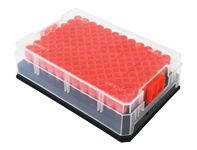
| A unique collection of 674 anticancer natural compounds for high throughput screening (HTS) and New anticancer drug research | ||
| Catalog No: | B91 | Anticancer Compound Library Screening Details |
| Size: | 1mg/well * 674 Compounds 2mg/well * 674 Compounds | |
| Cat. No. | Information |
| CFN90767 | Sophoflavescenol Sophoflavescenol is a mixed inhibitor of PDE5 with a K(i) value of 0.005 microM. Sophoflavescenol has antioxidant, anti-inflammatory, and apoptotic effects , these effects might contribute to the antitumor activity without severe side effects. Sophoflavescenol exerts notable anti-inflammatory activity by inhibiting nitric oxide generation and tert-butylhydroperoxide-induced ROS generation rather than inhibiting nuclear factor kappa B activation in RAW 264.7 cells. |
| CFN90768 | Isoxanthohumol Isoxanthohumol is a polyphenol with antioxidant, anti-inflammatory, and antiangiogenic properties, seems to regulate in vivo vascular proliferation and stabilization and the EC-VSMC-inflammatory crosstalk. Isoxanthohumol shows an antiviral activity towards herpes viruses (HSV1 and HSV2) and bovine viral diarrhea virus (BVDV). |
| CFN90771 | Bruceine D Bruceine D has anti-cancer activity, it inhibits the growth of three pancreatic cancer cell lines, i.e., PANC-1, SW1990 and CAPAN-1; induces cytotoxicity in Capan-2 cells via the induction of cellular apoptosis involving the mitochondrial pathway.Bruceine D may have the potential to be used as a natural viricide, or a lead compound for new viricides. |
| CFN93050 | Limonene Limonene has antioxidant activity, it at all concentrations reveal a reduction in the frequency of MN and DNA damage induced by H2O2. |
| CFN93111 | Arnidiol Arnidiol has anti-inflammatory activity, it possesses marked inhibitory activity against 12-O-tetradecanoylphorbol-13-acetate (TPA)-induced inflammation in mice, the 50% inhibitory dose of these compounds with respect to TPA-inflammation (1 microgram) is 0.03-0.2 mg/ear. Arnidiol shows inhibitory effects against Epstein-Barr virus early antigen (EBV-EA) activation with potencies either comparable with or stronger than that of glycyrrhetic acid, a known natural anti-tumor-promoter; it also possesses a wide range of cytotoxicity against human cancer cell lines, with GI50 values (concentration that yields 50% growth) of mostly less than 6 microM. |

