Bioactive Products



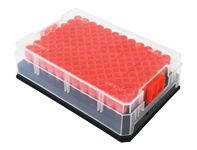
| A unique collection of 674 anticancer natural compounds for high throughput screening (HTS) and New anticancer drug research | ||
| Catalog No: | B91 | Anticancer Compound Library Screening Details |
| Size: | 1mg/well * 674 Compounds 2mg/well * 674 Compounds | |
| Cat. No. | Information |
| CFN99791 | Norcantharidin Norcantharidin has been used to treat human cancers in China since 1984, it inhibits the canonical Wnt signal pathway in NSCLC, by activating WIF-1 via promoter demethylation; it also enhances TIMP‑2 antitumor and anti‑vasculogenic mimicry activities in GBCs through downregulating MMP‑2 and MT1‑MMP. Norcantharidin is a protein phosphatase type-2A inhibitor, which has less nephrotoxic and phlogogenic side-effects, it can inhibit both DNA synthesis and granulocyte-macrophage colony-forming cells (GM-CFC)growth and impaire the neogenesis of chromatin material and nuclear membrane during the M/G1 phase transition in K-562 cells. |
| CFN99793 | Phytic acid sodium salt hydrate Phytic acid sodium salt has inhibitory effect on the activity of the digestive protease and α‐amylase in rohu, Labeo rohita, catla, Catla catla, and mrigal, Cirrhinus mrigala . The sodium salt of phytic acid may have a role in both the prevention and treatment of many forms of cancer. |
| CFN99902 | Honokiol Honokiol has antibacterial, anti-angiogenesis, antidepressant-like, antioxidant, anti-inflammatory and anti-cancer effects. It inhibited the activation of Akt and enhances the phosphorylation of ERK1/ERK2. It can improve learning, memory impairments and neuroinflammatory processes induced by SCOP in mice, by inhibition of AChE activity. |
| CFN99837 | Linderone Linderone A shows anticancer activity against A549 non-small cell lung cancer cells and PC-3 prostate adenocarcinoma cell line. |
| CFN99907 | Shikonin Shikonin is a natural red naphthoquinone pigment, has antimicrobial, anti-tumor, and anti-inflammatory effects; a purified shikonin preparation is widely used for the production of medicinals, cosmetics, and some food products; shikonin also enters into the antiinflammatory ointment and cream compositions used for the treatment of burns. It can suppress the cell viability, adhesion, invasion and migratory ability of MGC-803 cells through TLR2- or NF-κB-mediated pathway. |

