Bioactive Products



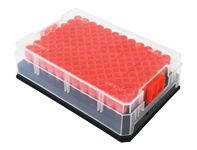
| A unique collection of 674 anticancer natural compounds for high throughput screening (HTS) and New anticancer drug research | ||
| Catalog No: | B91 | Anticancer Compound Library Screening Details |
| Size: | 1mg/well * 674 Compounds 2mg/well * 674 Compounds | |
| Cat. No. | Information |
| CFN90313 | Artesunate Artesunate is a part of the artemisinin group of agents with an IC50 of < 5 μM for small cell lung carcinoma cell line H69. It is a potential inhibitor of STAT-3 and exhibits selective cytotoxicity of cancer cells over normal cells in vitro; A potent inhibitor of EXP1.Artesunate has anti-inflammatory activity, can prevent neuroinflammation in BV2 microglia by interfering with NF-κB and p38 MAPK signalling. |
| CFN90317 | Capillarisin Capillarisin is a novel blocker of STAT3 activation and thus may have a potential in negative regulation of growth, metastasis, and chemoresistance of tumor cells, it inhibits cancer cell growth of osteosarcoma cells by inducing apoptosis accompanied with G0/G1-phase cell cycle arrest and loss in mitochondrial membrane potential.Capillarisin has anti-inflammatory activity, can inhibit LPS-induced inflammation by blocking TLR4-mediated NF-κB and MAPKs activation in BV2 microglia. Capillarisin possesses promising anti-hyperalgesic and anti-allodynic effects through the inhibition of various inflammatory pain signaling. |
| CFN90318 | Catharanthine Tartrate Catharanthine Tartrate is an anti-tumor drug. Catharanthine Tartrate binds with DNA in a mode of groove binding, Se(Ⅳ)can inhibit the binding of Catharanthine Tartrate and DNA. |
| CFN97759 | Paclitaxel Paclitaxel is a potent anticancer medication which can promote microtubule (MT) assembly, inhibits MT depolymerization, and changes MT dynamics required for mitosis and cell proliferation. Paclitaxel can induce ototoxicity in rats. |
| CFN90329 | Daphnoretin Daphnoretin has strong antiviral activity, mainly on the later phase of the replication cycle. Daphnoretin has anticancer effects on leukemia, osteosarcoma and uterine cervix cancer cells, might through promoting apoptosis in a mitochondria-mediated way; it causes death of HOS cells by blocking cells successively in G2/M phases and activating the caspase-3 pathway. |

