Bioactive Products



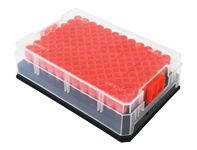
| A unique collection of 674 anticancer natural compounds for high throughput screening (HTS) and New anticancer drug research | ||
| Catalog No: | B91 | Anticancer Compound Library Screening Details |
| Size: | 1mg/well * 674 Compounds 2mg/well * 674 Compounds | |
| Cat. No. | Information |
| CFN92051 | Ganoderic acid A Ganoderic acid A , a representative active triterpenoid from Ganoderma lucidum, exhibits antinociceptive, antioxidative, cytotoxic, hepatoprotective and anticancer activities. It has a wide spectrum of targets including nuclear transcription factor-kappaB,activator protein-1,STAT,IL-6,JAK, and p38MAPK. |
| CFN92056 | Ganoderic acid H Ganoderic acid H is a potent antitumour agent, it mediates its biological effects through the inhibition of transcription factors AP-1 and NF-kappaB, resulting in the down-regulation of expression of Cdk4. |
| CFN92058 | Bursehernin Bursehernin has potential for development as an anti-tumor agent with an anti-proliferation, and cell cycle arrest inducing. |
| CFN92060 | Syringaresinol (-)-Syringaresinol may be a potential chemotherapeutic agent for the treatment of cancer; it against H/R-induced cardiomyocyte injury and death, the degradation of HIF-1α through activation of FOXO3 is a potential therapeutic strategy for ischemia-related diseases. Syringaresinol induces vasorelaxation by enhancing NO production in endothelial cells via two distinct mechanisms, phosphatidylinositol 3-kinase/Akt- and PLC/Ca(2+)/CaMKKβ-dependent eNOS phosphorylation and Ca(2+)-dependent eNOS dimerization. |
| CFN92073 | Kuguacin J Kuguacin J is a promising candidate new antineoplastic and chemopreventive agent for androgen-dependent prostate cancer and carcinogenesis, it exerts growth inhibition through G1 arrest and induction of apoptosis in androgen-dependent human prostate cancer. Kuguacin J modulates the function of P-glycoprotein (P-gp) by directly interacting at the drug-substrate-binding site, and it appears to be an effective inhibitor of P-gp activity in vitro and thus could be developed as an effective chemosensitizer to treat multidrug-resistant cancers. |

